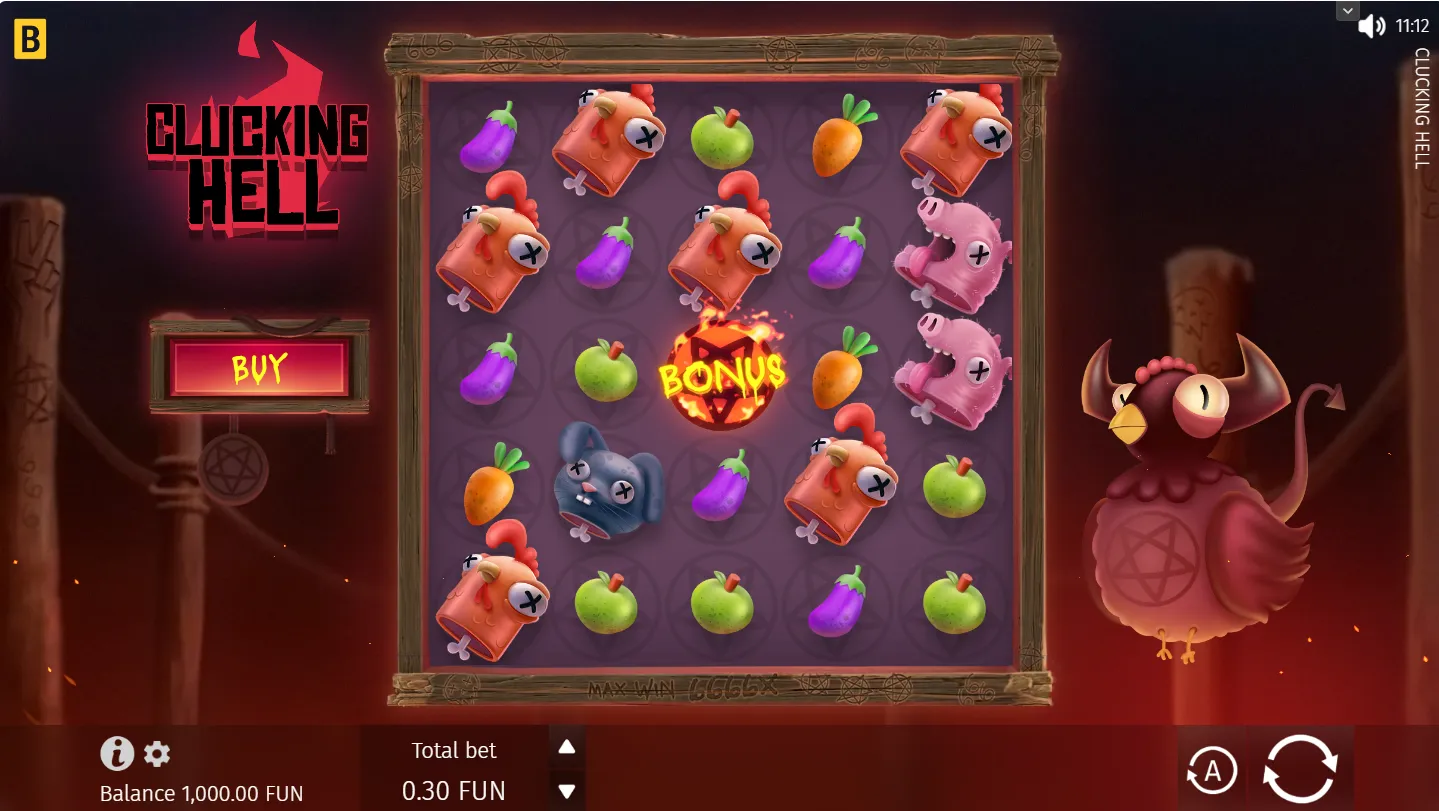
Why bankroll management matters
Bankroll management means deciding in advance how much money you can afford to risk on betting and how you will split it across individual bets. It matters because results swing up and down. A plan helps you keep playing within limits during a losing run and avoid overconfidence during a winning run. The goal is not to find a magic pattern, but to make your money last long enough to enjoy the activity responsibly.
Think of it like setting a monthly entertainment budget. If you spread spending across the month, you reduce the chance of running out after one big night. The same logic applies here: a simple rule for stake sizes and session limits can prevent one decision from wiping out funds.
Common options explained
Key options you will hear about
Flat staking keeps bets equal; percentage uses a bankroll fraction that shrinks or grows. Unit staking varies a set unit by feel. Kelly uses an edge estimate, is error‑prone, and often cut back.
Separately, many people add stop rules. A stop-loss ends a session after a set amount lost. A stop-win ends a session after a positive target. These do not change long-term odds, but they can help you control time and emotion.
| Option | What it means | Why it helps | Trade-offs |
|---|---|---|---|
| Flat staking | Same stake on every bet | Simple, easy to track | Does not adapt to bankroll swings |
| Percentage staking | Stake is a share of current bankroll | Self-adjusts after wins/losses | Stake sizes can feel small after losses |
| Unit-based | Fixed unit; vary 1–few units | Balances routine with flexibility | Subjective confidence can mislead |
| Formula-based | Stake from estimated edge | Rewards accurate estimates | Overestimates can cause big swings |
| Stop rules | Session limits up or down | Time and emotion control | Do not change underlying odds |
Comparison checklist
Use this checklist to compare options for your own situation. The right match is the one you can follow calmly and consistently.
- Clarity: Can you describe the rule in one sentence you will remember on a busy day?
- Record-keeping: Is it easy to log stakes and results without missing details?
- Swing tolerance: How will you feel if you lose several bets with this sizing?
- Adaptability: Do stakes adjust when your bankroll changes?
- Decision load: Does the method force tough calls before every bet?
- Time control: Will you use stop rules to protect your schedule?
- Error risk: If your confidence or edge estimate is wrong, how harsh is the penalty?
Worked examples
Two short examples
Example: Flat staking. Suppose your bankroll is 300. You choose a small, steady stake and place ten bets over a weekend. After five losses and five wins, your bankroll moves only by the net of those outcomes. The advantage is that you always know the stake; the drawback is that a bad run hits with the same force each time.
Example: Percentage staking. With the same 300 bankroll, you risk a small share of whatever is left before each bet. If you lose the first few, your next stakes become smaller automatically, which slows down the drawdown. If you later win a few, stakes rise gradually. This softens big swings but can feel slow when recovering.
Practical tips and next steps
Start with one clear rule, write it down, and track ten to twenty sessions before changing it. Combine your sizing choice with small, pre-set session boundaries for time and loss. Keep decisions boring: if you notice your stake size rising just because a game is about to start or you feel “due,” pause and reset.
Keeping it simple day to day
- Set a bankroll separate from bills and savings.
- Pick one staking option and one stop rule.
- Log date, stake, selection, and result every time.
- Review weekly: what was hard to follow, and why?
If you want to visit a general gambling-related website on the open web, here is a neutral external link: Visit the site. Its mention here does not imply it contains guidance for you or that it was used to prepare this article.
Conclusion: A good bankroll plan is the one you can repeat without stress. Pick a simple option, use the checklist to test its fit, and keep careful notes. Small, steady steps beat improvised swings when your aim is control and enjoyment.